Table Of Content
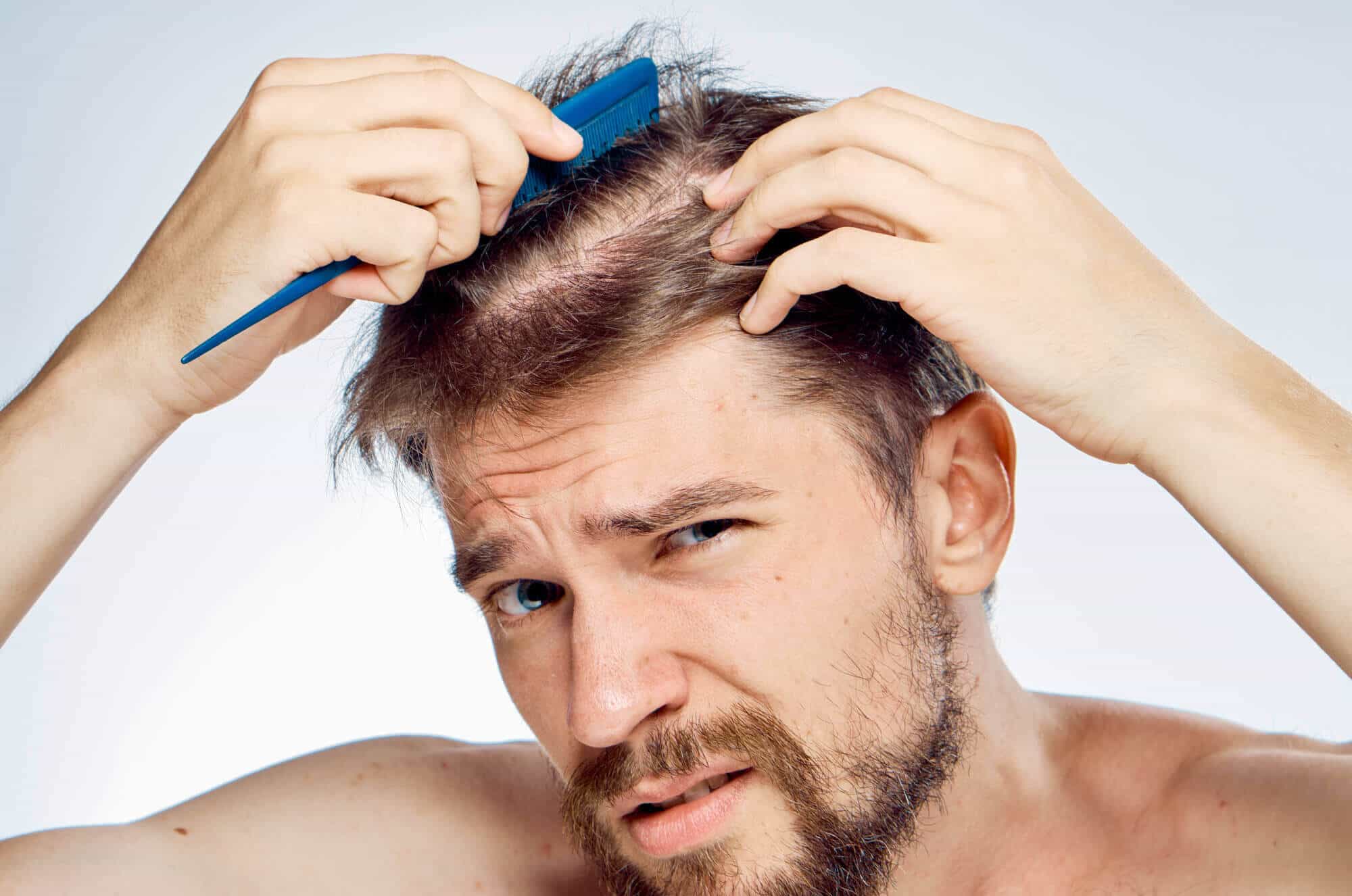
About 10 million people in the United States are iron deficient, per one 2013 review of research, and it’s more common in women than men. Another red flag is a widening part, and the hair loss may be diffused, meaning it’s spread across the entire scalp. Your derm can examine the pattern of hair loss and perform blood work to rule out other causes, says Dr. Jakubowicz. However, this can change during menopause (more on that later) and some women with strong family histories of hair thinning or balding may still experience this.
You’re Going Through Menopause
Here are some of the best treatments for female and male hair loss. CCCA and LPP fall under the umbrella of lymphocytic scarring alopecia. The telltale signs of these conditions are chronic inflammation of the scalp and the scarring of hair follicles, which can result in irreversible hair loss, Agbai notes. Understanding the underlying cause of your hair loss is absolutely necessary in determining the best approach to halt and reverse any further damage to your hair and scalp. You’ll notice if you start to lose weight quickly (typically defined as losing more than 5 percent of your weight in six months to a year). Your pants will be looser and, if you weigh yourself regularly, you’ll see the number on the scale go down.
Hair Thinning Causes In Women - Women's Health
Hair Thinning Causes In Women.
Posted: Fri, 08 Mar 2024 08:00:00 GMT [source]
Hair Shedding vs. Hair Loss
Stay away from potentially aggravating ingredients, like alcohol, and drying heat tools. In a lot of cases, hair will grow back when you stop taking the medication. So what exactly is it that can lead to clumps of hair falling out? Well, there are plenty of potential culprits, and some people may have more than one issue at play. Maybe you even notice clumps of hair in the bristles of your brush after your daily brushing.
Menopause and hormone imbalances
“Iron is an important mineral needed for development of our blood cells and healthy functioning of the body,” says Dr. Zeichner. Hair transplant surgery takes small pieces of the scalp with hair follicles on them and moves them to areas of baldness. A doctor or dermatologist will perform the surgery, and the patient is typically under local anesthesia. There are several reasons why you might be losing your hair. According to Agbai, genetics, hormonal shifts, stress, underlying medical conditions, nutritional deficiencies, and scalp inflammation are notable factors. Sometimes, large doses of stress can make your body’s immune system turn on itself and attack your hair follicles.
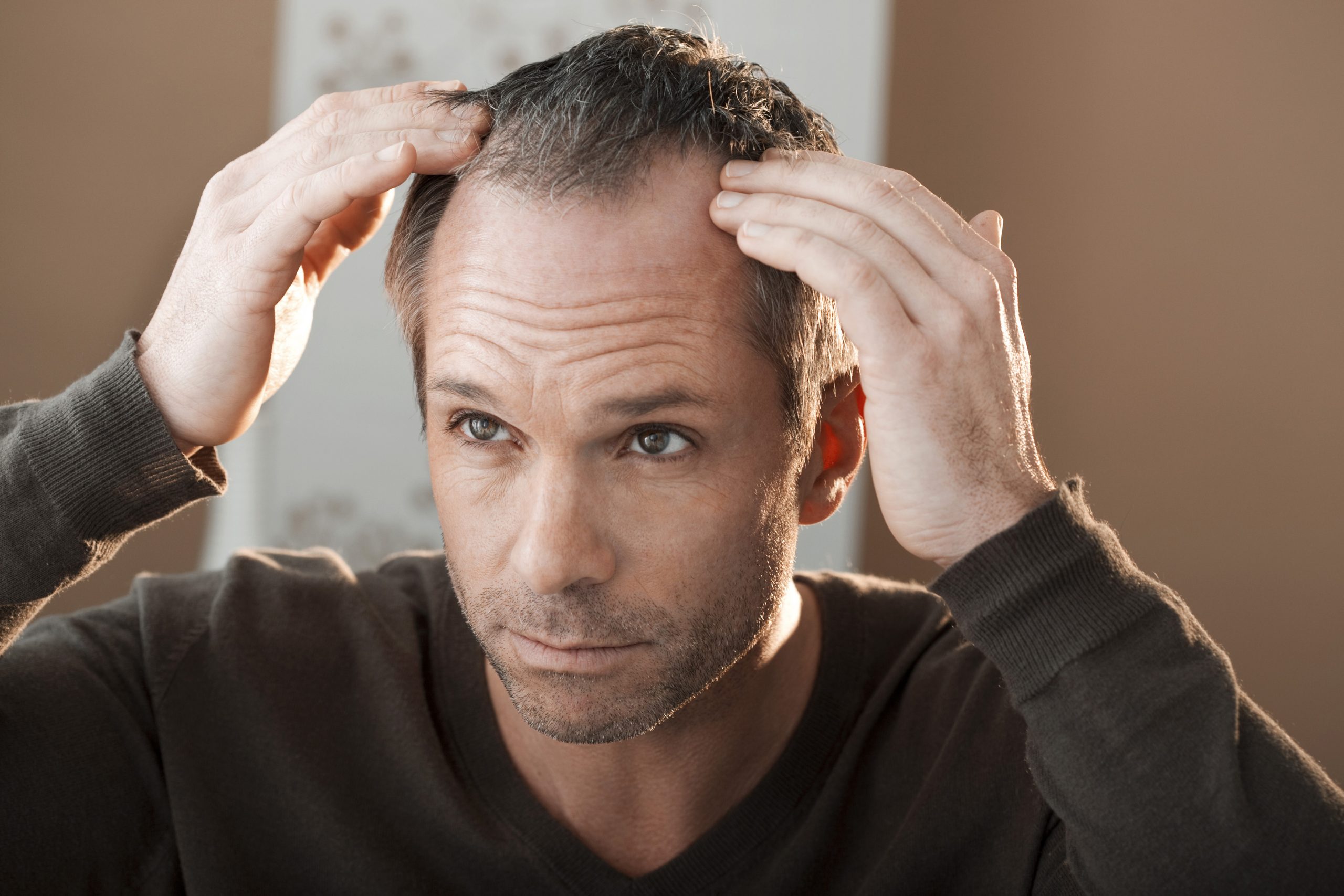
Others might experience hair loss several weeks or months after they stop taking birth control pills. Losing clumps of hair can be particularly distressing. But there will always be an underlying reason, whether it’s a health condition, stress levels, or family genetics. It can be hard to determine stress as the cause, as the hair loss often doesn’t occur immediately, instead falling out 3 to 6 months later. That said, if you find yourself losing clumps of hair several months after a big event like the ones mentioned above, it’s a good bet stress is the culprit. Some conditions can also lead to an imbalance, where half of the hairs on the head enter the shedding telogen phase.
What does normal hair growth look like?
Certain medications have side effects that can cause hair to fall out. Always talk to a healthcare provider before discontinuing any medication. Telogen effluvium is common, seen more frequently in women, and usually happens two to three months after a triggering event. It typically doesn't last more than six months, but if it does, it's considered chronic. Hair loss caused by a medical condition usually stops or grows back once you've recovered.
But it’s a sign that can take time to reveal itself. At any given moment, each hair on your head is at a different point of that cycle. If you receive chemotherapy or have radiation treatment to your head or neck, you may lose all (or most of) your hair within a few weeks of starting treatment. Free to everyone, these materials teach young people about common skin conditions, which can prevent misunderstanding and bullying. Stopping hair loss indefinitely depends upon the underlying cause. As a general rule, the sooner you treat hair loss, the more likely you will be able to reverse or reduce the rate of hair loss.
Signs of hair loss and hair loss conditions vary between men, women and children. However, people of any age or sex may notice more hair collecting in their hairbrush or in the shower drain. Androgenic alopecia causes the normal hair growth cycle to shorten.
Once an individual hair has shed, the follicle prepares for regrowth and the whole cycle starts again. Female pattern baldness is largely genetic, affecting hair along the top of a woman’s head. Minoxidil (Rogaine) is a topical medication (the type you apply to your scalp) approved by the FDA for female pattern hair loss. It's is available over the counter as 2% and 5% solutions. It takes about 6-12 months of this once-daily use foam treatment to see results. Traction alopecia is a type of hair loss that's brought on by the way you style your hair.
“Our body needs certain vitamins and nutrients to build hair,” notes Dr. Khetarpal. Illness can trigger hair loss, especially if it goes hand-in-hand with a high fever. “Any major shock to the body can cause you to start shedding two or three months later,” Dr. Khetarpal says. But it typically takes a major stressor, like divorce or the death of a loved one (a big work deadline or a blind date probably isn’t enough to make your strands say sayonara). People can develop hair loss where boots, socks, or tight clothing frequently rubs against their skin.
In hair transplant surgery, pieces of scalp tissue with the hair attached are typically taken from one area of the scalp and moved to areas of baldness. “It’s important to have a discussion with your doctor to find the right treatment,” says Dr. Khetarpal. And in the case of alopecia, the sooner you start, the better. “The longer the hair is gone, the harder it is to get back,” she says.


No comments:
Post a Comment